

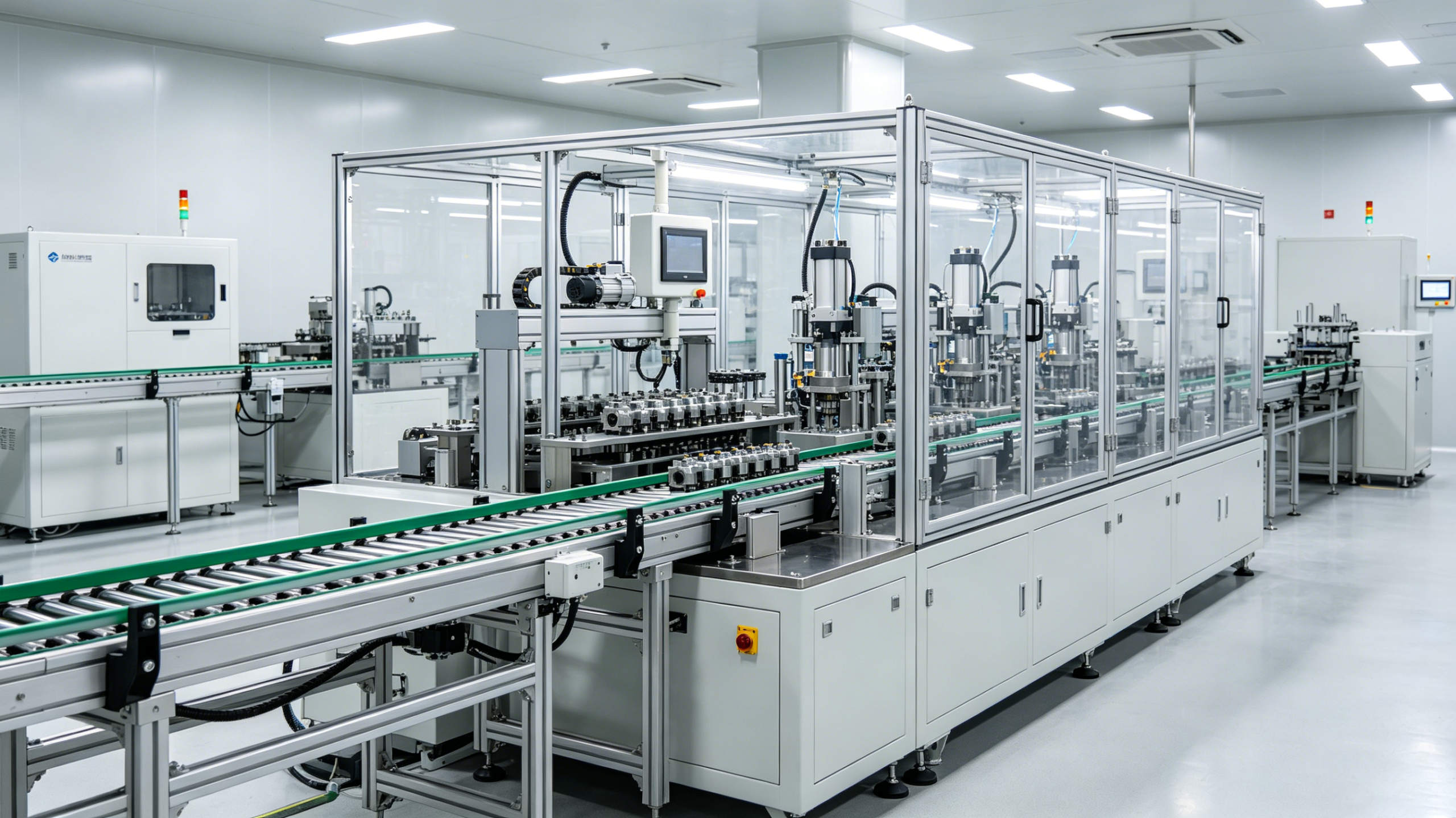
Pneumatic Cylinders: Key Components for Modern Automated Production Lines
In automation, pneumatic cylinders are essential for handling, assembly and inspection, featuring fast response and cost-effectiveness.
In automotive welding lines, multiple cylinders jointly position and clamp vehicle doors. In electronics assembly, micro cylinders power suction cups to pick up circuit boards.
Cylinders outperform electric actuators for high-frequency, short-stroke operations above 60 cycles per minute. Paired with proportional valves, high-speed cylinders deliver flexible control to fit diverse product sizes.
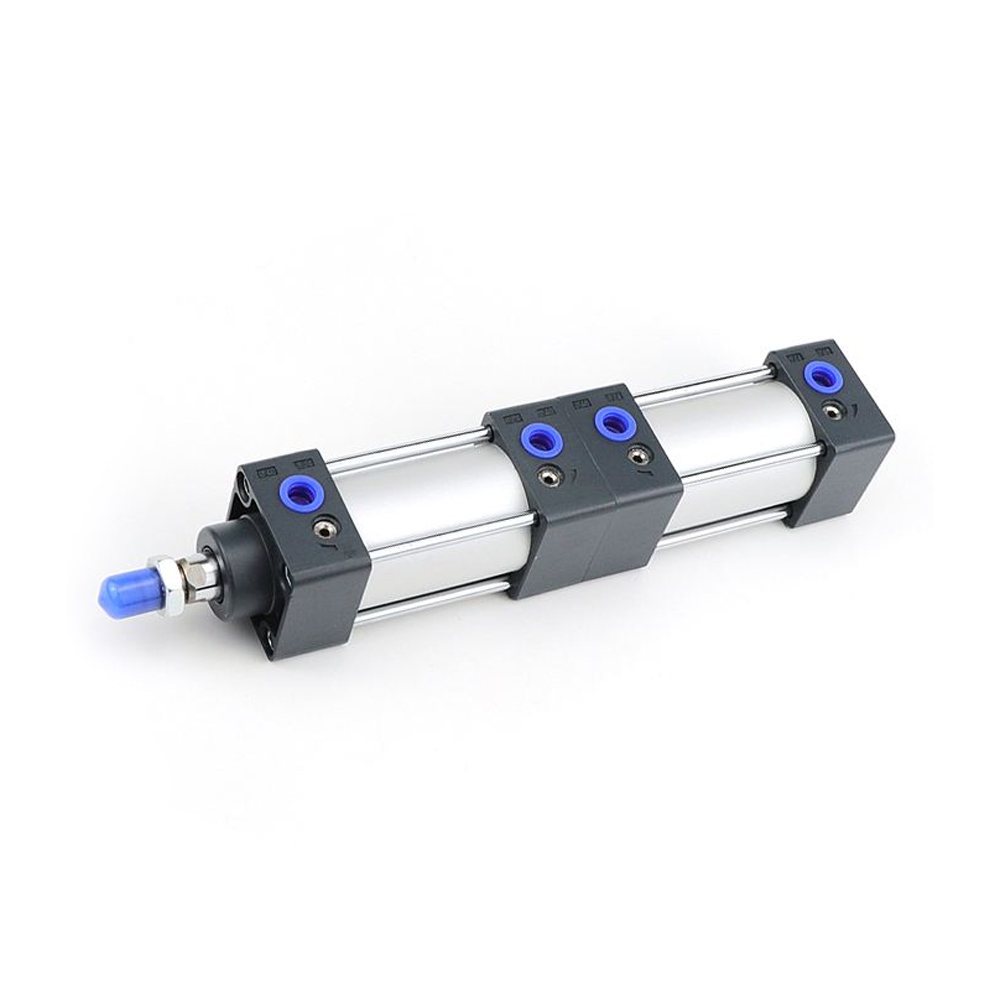
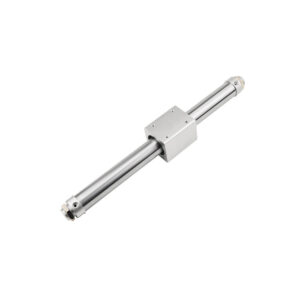
Modular designs allow fast part replacement and less production downtime. Rodless cylinders save space for horizontal pushing in packaging equipment, while rotary cylinders drive turntables for multi-station processing.
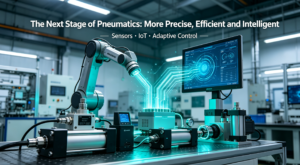
Smart cylinders with IO-Link transmit real-time pressure and position data, working with PLCs to boost production efficiency.
Pneumatic systems still face high energy consumption, which can be improved with energy-saving valves, sensor closed-loop control or hybrid drive designs. Typical cylinder faults include air leakage, stuck movement, insufficient thrust and piston rod deformation.
Add comment