

Complete CNC Lead Screw and Linear Guide Maintenance Guide: Extend Machine Tool Service Life and Ensure Machining Accuracy
For CNC processing factories, automated production workshops, and automation equipment operators, ball screws and linear guides serve as the core precision components of all machine tools. They directly determine equipment running smoothness, machining precision, and production stability. However, these critical parts are often overlooked in daily maintenance, leading to premature wear, aging, and unexpected downtime.
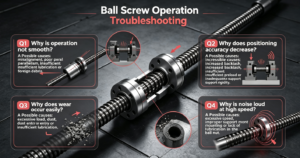
Most CNC machines develop typical issues includingabnormal running noise, axis jitter, precision deviation, and unsmooth feeding within months or a few years of operation. In most cases, these problems are not caused by factory defects, but by poor daily cleaning, irregular lubrication, and improper operating habits. Accumulated iron dust, dry friction, overloading, and rust gradually damage screws and guides, affecting overall machine performance.
Implementing standardized daily maintenance for ball screws and linear guides can effectively reduce repair costs, minimize unplanned downtime, and significantly extend machine tool service life. Well-maintained precision components ensure stable long-term machining accuracy and keep automated production equipment operating efficiently and consistently.
1. Daily Cleaning: Eliminate Abrasive Wear and Reduce Failures Fundamentally
CNC machining inevitably produces iron chips, fine dust, coolant residue, and oil stains. When these contaminants settle on linear guide surfaces and ball screw threads, they create continuous abrasive friction during movement. Long-term buildup causes jitter, positioning deviation, surface rust, and in severe cases, slider jamming and permanent thread damage.
Standard Daily Cleaning Procedure (Performed After Each Shift / Daily Shutdown)
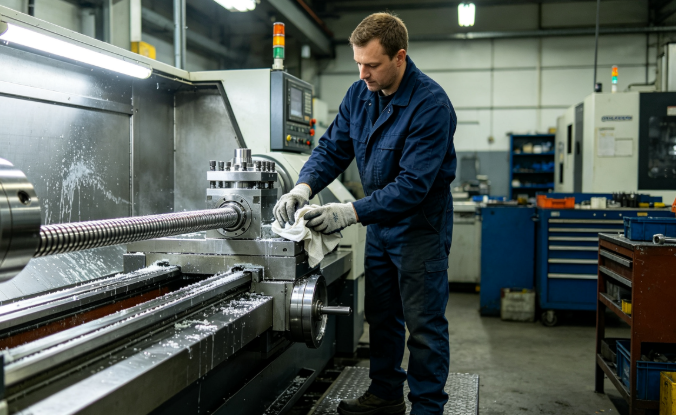
1. Power off the machine completely and allow the working components to cool down. Gently clean the guide surfaces, slider gaps, and screw thread grooves using a soft brush and lint-free cloth. Never use hard tools such as steel brushes, which can scratch the precision hardened surface of guides and screw threads.
2. Clean hidden dead zones including slider wiper seals, end caps, and screw support ends to eliminate residual particles. Avoid using high-pressure air to blow directly into slider interiors, as this forces fine dust into bearing structures and accelerates internal wear.
3. Thoroughly dry coolant and moisture after cleaning. Humid workshop environments easily cause oxidation and rust on exposed screws and guides, which gradually destroy precision movement clearance.
4. Regularly inspect guide rail covers and dustproof seals. Replace damaged or missing seals immediately to block dust and debris from entering moving components.
2. Regular Lubrication: Reduce Friction Loss and Stabilize Operating Accuracy
Ball screws and linear guides rely entirely on a stable lubrication film to reduce metal-to-metal friction during high-speed reciprocating motion. Insufficient, uneven, or degraded lubrication leads to dry friction, heat accumulation, increased movement resistance, gradual precision loss, and accelerated component failure.
Standard Lubrication Specifications (Suitable for Most Machining Machine Tools)
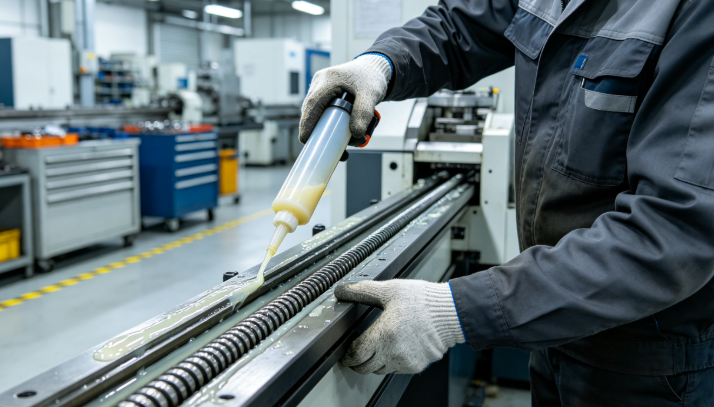
1. Full-time operating machines: Check and replenish professional lubricant every 8 working hours to maintain a consistent protective oil film.
2. Intermittent operating machines: Apply specialized guide oil and screw grease after daily shutdown to ensure full lubrication of all moving parts.
3. Only use professional CNC lubricants and grease. Ordinary engine oil is not suitable due to incorrect viscosity, which easily forms sludge, clogs oil circuits, and increases abrasive wear.
4. Apply lubricant in thin, even layers. Excessive grease attracts dust and iron chips, forming abrasive paste that accelerates component wear. After lubrication, run each axis idle for several cycles to distribute the oil film evenly.
5. Inspect the automatic lubrication system monthly to fix blocked oil lines, uneven oil output, and pump abnormalities, preventing local dry wear caused by insufficient lubrication.
3. Standardized Operation: Avoid Artificial Damage and Extend Component Service Life
Most permanent screw deformation, guide surface scratches, and precision failures are caused by long-term improper operation. Standardizing daily usage is the most cost-effective way to protect your machine tools and maintain consistent performance.
1. Avoid Overload Machining: Long-term heavy cutting and hard material processing overloads the ball screw, causing bending deformation, pitch deviation, and irreversible precision loss. Repairing deformed screws is extremely costly and rarely restores original accuracy.
2. Prevent Guide Surface Impacts: Avoid collisions and scratches during workpiece installation, cleaning, and tool handling. Surface damage destroys the lubrication film, triggering uneven wear, noise, and positioning errors.
3. Avoid prolonged high-speed idle running and unbalanced single-side loading to reduce fatigue wear on screws and guide rails.
4. For long-term idle machines, perform full cleaning, apply anti-rust lubrication, and reinstall protective covers to prevent dust accumulation and oxidation rust.
4. Periodic In-depth Maintenance (Weekly & Monthly Standard Operations)
Beyond daily maintenance, periodic deep inspections eliminate hidden mechanical risks early, preventing minor wear from developing into serious malfunctions. This routine is highly recommended for mass production workshops and all automated production line equipment.
Weekly Maintenance
Fully clean screw grooves and slider gaps, complete comprehensive lubrication, test axis movement smoothness, and check for subtle noise, jitter, or positioning lag issues.
Monthly Maintenance
Inspect guide gap clearance, slider preload, and pressure plate tightness. Retighten screws for screw support seats and nut assemblies to eliminate running gaps. Check screw straightness and guide parallelism, and fine-tune deviations to maintain stable machining precision.
5. Common Fault Causes: Problems Caused by Insufficient Maintenance
1. Running noise & axis jitter: Caused by insufficient lubrication, residual debris friction, and blocked oil circuits;
2. Precision deviation & positioning errors: Resulting from slight screw bending, uneven guide wear, and excessive movement clearance;
3. Sticky feeding & unsmooth reset: Caused by dirt accumulation, oil sludge blockage, and guide surface scratches;
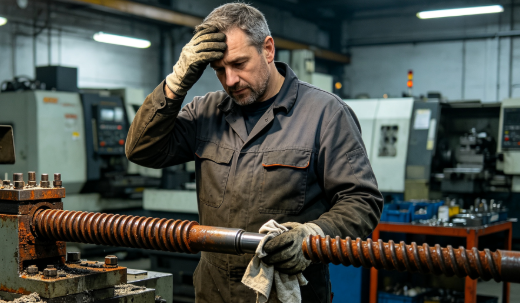
4. Early component aging & failure: Caused by long-term dry friction, overload operation, and insufficient anti-rust protection.
6. Conclusion: Precise Maintenance Ensures Long-Term Machine Tool Value
As the core precision components of CNC machine tools, ball screws and linear guides do not require complex maintenance procedures — only consistent, standardized daily care. Systematic cleaning, scientific lubrication, standardized operation, and regular inspection effectively eliminate common failures such as jitter, noise, precision drift, and rust wear.
Professional screw and guide rail maintenance greatly reduces repair expenses and production downtime, ensuring stable, high-efficiency machining. It also extends machine tool service life and maintains stable performance for long-term automated production, delivering more reliable and worry-free CNC equipment operation.
Professional Guide to Industrial Lubrication for Linear Guides & Ball Screws



Add comment