

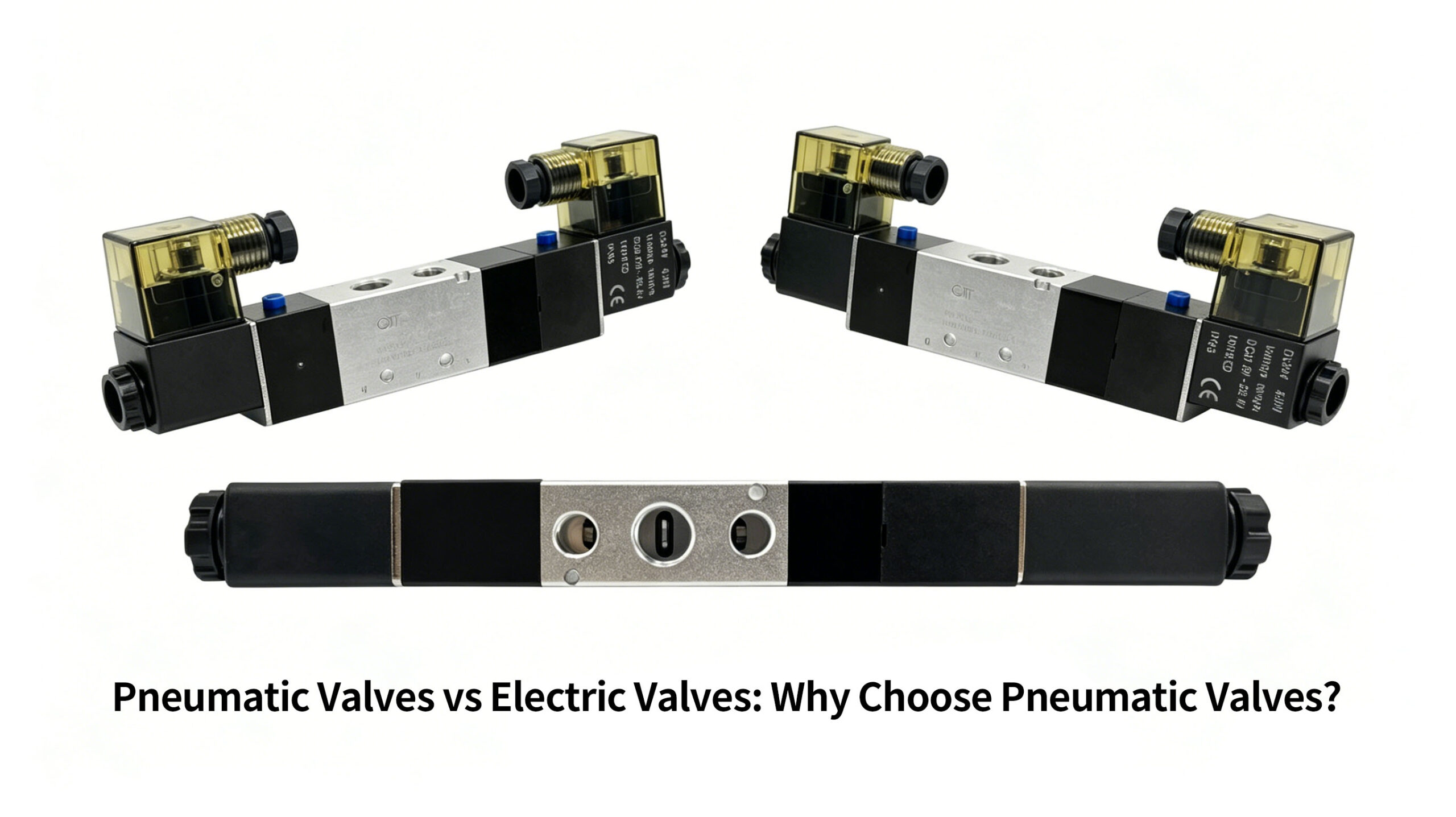
Why do most important valves adopt pneumatic valves instead of electric valves?
Why do most important valves adopt pneumatic valves?
Table of Contents
- 1.Safety considerations
- 2. Reliability Comparison
- 3. Response Speed Comparison
- 4.Cost factors
- 5. Environmental adaptability
1.Safety considerations
1.safety
Pneumatic valves feature inherent safety performance. Most complex working environments are equipped with extensive electrical equipment and contain potential electromagnetic interference sources. Electric valves operate relying on electric power. Once electrical faults such as short circuits, electric leakage and overload occur, or the valves are affected by electromagnetic interference, their control systems are prone to malfunction.
In strong electromagnetic radiation areas, for example, electric valves may receive incorrect signals and trigger unexpected opening or closing actions, which brings major hidden safety hazards to the overall system operation.
2.more reliable
In contrast, pneumatic valves adopt compressed air as the power source and do not depend on electrical signals. They are hardly affected by electromagnetic interference, enabling stable and reliable operation in complex electrical environments to guarantee system safety.
In addition, in areas with flammable and explosive gases like gas transmission pipeline zones, electric valves may generate electric sparks and cause explosion risks. As pneumatic valves produce no electric sparks during operation, they deliver higher safety for application in such hazardous areas.
2. Reliability Comparison
1.potential hazards
Pneumatic valves feature inherent safety performance. Most complex working environments are equipped with extensive electrical equipment and contain potential electromagnetic interference sources. Electric valves operate relying on electric power. Once electrical faults such as short circuits, electric leakage and overload occur, or the valves are affected by electromagnetic interference, their control systems are prone to malfunction.
In strong electromagnetic radiation areas, for example, electric valves may receive incorrect signals and trigger unexpected opening or closing actions, which brings major hidden safety hazards to the overall system operation.
2.Pneumatic valves are safer and more reliable
In contrast, pneumatic valves adopt compressed air as the power source and do not depend on electrical signals. They are hardly affected by electromagnetic interference, enabling stable and reliable operation in complex electrical environments to guarantee system safety.
In addition, in areas with flammable and explosive gases like gas transmission pipeline zones, electric valves may generate electric sparks and cause explosion risks. As pneumatic valves produce no electric sparks during operation, they deliver higher safety for application in such hazardous areas.
Pneumatic valves have a relatively simple structure, mainly consisting of basic components such as cylinder, piston and valve body. This straightforward mechanical structure greatly reduces its failure rate. In comparison, electric valves are equipped with intricate internal parts, including motors, reducers and control circuits.
For instance, long-term continuous operation can cause motor overheating and damage. Besides, electronic components in the control circuit are prone to failure due to aging, moisture and other external factors.
3.Pneumatic valves require simpler maintenance
Pneumatic valves can work steadily as long as the compressed air supply remains stable and key parts like cylinders and pistons function normally. They also feature simple maintenance, making it easy for technical staff to diagnose and fix operational issues. Routine work such as checking air pressure and replacing seals is enough to restore normal valve performance.
On the contrary, the troubleshooting and maintenance of electric valves require professional electrical knowledge and specialized tools, bringing higher operational and maintenance costs.
3. Response Speed Comparison
Pneumatic valves open and close rapidly. In industrial facilities, emergencies such as pipeline leakage or overpressure require valves to respond instantly and cut off fluid flow.
The operating speed of pneumatic valves can be easily adjusted by regulating air supply pressure, and most can fully act within several seconds or even less.
In contrast, electric valves run slower, as their speed is limited by motor speed and gear ratio.
For instance, when an emergency shutdown is needed for steam pipelines, pneumatic valves can stop steam leakage much faster and minimize accident losses.
4.Cost factors
From a cost perspective, pneumatic valves offer advantages in both initial investment and operational expenses.
They generally cost less than electric valves of the same size, thanks to their simple structure with no complex motors or control circuits. While pneumatic valves require compressed air to work, one air supply system can serve multiple pneumatic devices. This shared use helps lower the running cost for each valve.
In some cases, they also deliver good energy efficiency, as their power consumption mainly comes from compressed air.

5. Environmental adaptability
Pneumatic valves perform well in harsh working conditions. Factory environments often feature high temperatures, humidity and heavy dust. Made mainly of metal parts and seals, pneumatic valves resist temperature and moisture changes effectively. By comparison, electronic components inside electric valves are prone to faults under extreme heat and dampness. High temperatures can weaken their performance and cause valve control failure.
Thanks to high safety, reliable operation, fast response, low costs and strong environmental resistance, pneumatic valves are widely preferred over electric valves for key valve applications in factories.




Add comment